ByJohn A
Home Improvement Center Helps You Design Smart Interiors
A Home Improvement Center guides clients through smart interior design with a clear goals framework and reliable tools. It translates aspirations into measurable criteria, weighing comfort, adaptability, and efficiency. Each room receives tailored solutions for lighting, climate, and privacy-aware interfaces, balanced against budget and timeline. The process is practical, coached, and checklist-driven, turning ideas into energy-smart living spaces. The conversation ends with a poised question: what step will you take next to begin?
How to Define Smart Interior Design With the Right Tools
Smart interior design begins with a clear definition of goals and a reliable toolkit. A measured framework translates aspirations into actionable criteria, guiding material, technology, and layout choices.
Smart fabrics and lighting sensors become evaluative benchmarks, ensuring comfort, adaptability, and efficiency. This approach preserves autonomy while aligning design with performance metrics, delivering client-focused outcomes that feel liberating and immediately realizable.
Choosing Smart Solutions for Each Room
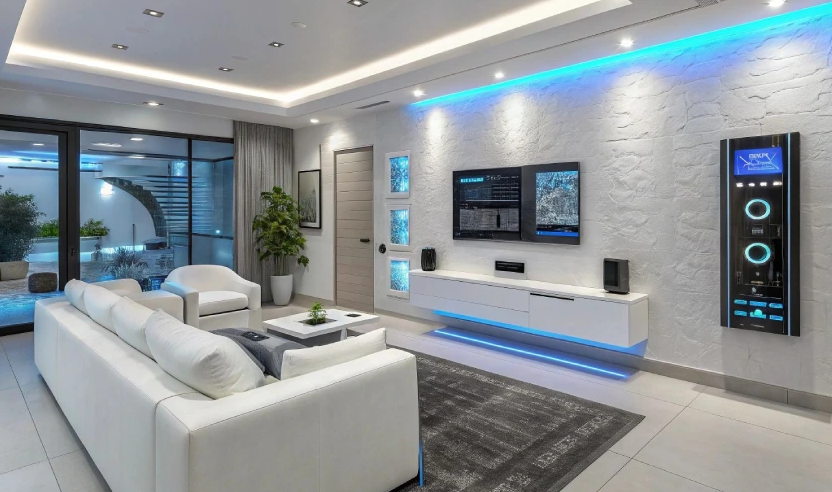
Choosing smart solutions for each room begins with tailoring capabilities to the room’s function, occupant routines, and energy profile. Designers align smart lighting and climate controls with daily patterns, ensuring seamless automation. Priorities include intuitive interfaces, robust privacy, and scalable systems. The aim is increased energy efficiency without sacrificing comfort, delivering flexible, autonomous environments that empower occupants to live freely and efficiently.
See also: Emerging Trends in Brain-Inspired Technology
Practical Planning: Budget, Timeline, and Execution
Practical planning anchors a home improvement project in clear metrics: budget, timeline, and execution steps. The approach emphasizes budget planning as a disciplined frame, identifying costs, contingencies, and value without rigidity.
Timeline benchmarks set realistic milestones aligned with priorities.
Execution steps translate plans into measurable actions, responsibilities, and quality checks, enabling clients to pursue freedom with confidence, clarity, and steady momentum throughout the design journey.
From Idea to Realization: Tips, Tricks, and Expert Guidance
From the spark of an idea to a tangible, practical result, this stage translates concepts into actionable steps with guidance from seasoned professionals.
The process embraces smart lighting as a core example, shaping mood and efficiency, while implementing automated climate controls for comfort and energy balance.
Clear milestones, practical checklists, and expert coaching empower clients toward confident, autonomous, design-forward outcomes.
Frequently Asked Questions
How Do I Test Smart Devices Before Buying?
To test smart devices before buying, one should perform live demonstrations, noting ease of setup and reliability; always document results. The approach emphasizes testing devices, evaluating compatibility, and ensuring future-proof integration with existing ecosystems and freedom of use.
Which Brands Offer the Best Warranty for Smart Interiors?
Brand warranties vary, but reputable firms emphasize robust coverage and hassle-free service, making smart device testing a prerequisite. The best options balance duration, inclusions, and rapid support, appealing to clients seeking independence through dependable, transparent protection.
Can Smart Upgrades Increase Home Resale Value Quickly?
Smart upgrades can boost resale impact quickly, though effects vary by market. They offer tangible value for buyers seeking efficiency and modern features, but expectations differ; strategic, high-quality installations maximize appeal while preserving budget, enabling confident, freedom-loving decisions.
Do I Need a License for Installing Smart Systems?
No, not universally; license requirements vary by jurisdiction. The article notes system installation guidelines, advising consultation with local authorities to determine whether certification is required for specific smart upgrades and installations.
What Maintenance Schedule Keeps Devices Running Longest?
A balanced maintenance schedule enhances device longevity; smart maintenance reduces downtime, while longevity planning frames care. Regular checks protect performance, yet timely updates matter more. The schedule should prioritize accessibility and freedom, aligning with user needs and installed systems.
Conclusion
In the end, the center translates aspiration into actionable criteria, balancing comfort, adaptability, and efficiency with clear metrics. Each room gains tailored smart solutions—lighting, climate, and private interfaces—delivered within budget and timeline. The result is a living environment that preserves autonomy while maximizing convenience, energy savings, and reliability. Like a skilled conductor guiding a symphony, the process choreographs tools and touchpoints into a cohesive, client-focused performance—practical, realizable, and precisely tuned to everyday life.