ByJohn A
Waste Handling Solutions for Large Backyard Transformation Projects
Large backyard transformation projects can change how a home feels, functions, and supports everyday life. A plain or outdated yard might become an outdoor living area with a patio, fire pit, garden beds, privacy features, play space, seating area, walkway, shed, pool surround, or entertainment zone. While the finished result can be exciting, the construction process often creates a surprising amount of debris.
Old fencing, broken concrete, soil, sod, brush, patio materials, lumber, pavers, gravel, outdoor furniture, packaging, and damaged landscaping can quickly take over the yard if waste handling is not planned early. For homeowners, a clear debris strategy helps keep the project safer, protects usable areas of the property, and prevents cleanup from slowing down the transformation.
Start With the Full Project Scope
Backyard projects often begin with one idea and expand once planning starts. A homeowner may begin with a patio replacement, then add a walkway, privacy screen, garden wall, seating area, or landscaping refresh. Each added feature can create another type of debris.
Before work begins, homeowners should list what will be removed, what will be installed, and which areas of the yard will be disturbed. Removing an old deck creates wood, railing, stairs, posts, and fasteners. Replacing a patio may involve concrete, pavers, gravel, sand, and soil. Clearing overgrown areas can produce brush, roots, branches, edging, and old landscape fabric.
Understanding the full scope makes it easier to choose a waste handling plan that fits the size of the project instead of reacting once debris is already scattered across the yard.
See also: How to Choose a Custom Home Builder inPrescott, AZ
Clear Out Unwanted Outdoor Items First
Many backyard transformations begin with more than construction debris. Homeowners may need to remove broken patio furniture, old planters, rusted grills, unused play equipment, damaged storage containers, worn outdoor décor, or leftover materials from previous projects.
This early cleanout creates a blanker work area and makes demolition safer. It also helps homeowners decide which items should stay, which can be donated, and which need to be discarded before contractors or DIY work begins.
If the project includes new screening, fencing, landscaping, or outdoor living areas, reviewing backyard privacy ideas before cleanup can help homeowners decide what existing features are worth keeping and what should be removed to make room for the new plan.
Create a Central Debris Zone
A large backyard project can quickly become messy if debris is piled wherever it is removed. One of the simplest ways to stay organized is to establish a central debris zone before work starts.
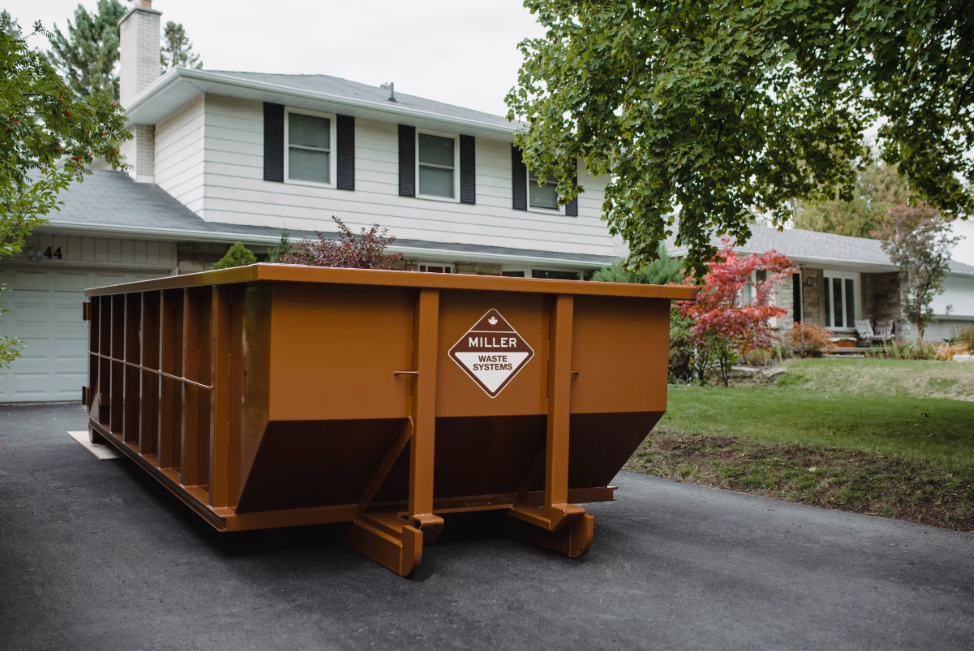
This location should be easy to access from the main work areas while staying out of the way of daily traffic, material deliveries, gates, garages, and finished landscaping. Homeowners often coordinate larger cleanup needs through Waste Removal USA when backyard transformation projects produce more waste than regular household trash service can handle.
A central waste area helps prevent materials from spreading across the lawn, patio, driveway, and side yard. It also makes it easier to monitor how much debris has accumulated throughout the project.
Keep Access Routes Open
Backyard transformations usually require frequent movement between the work area, driveway, street, garage, and material staging area. Workers may need to carry lumber, move pavers, haul soil, transport plants, or push wheelbarrows through narrow side yards.
If debris blocks these routes, the project slows down. Homeowners should think through how materials will move in and out of the yard before work begins. Gates may need to stay clear, side paths may need protection, and vehicles may need a predictable loading or unloading area.
A clean access route also reduces the chance that debris will be dragged through finished spaces or tracked across driveways and walkways.
Separate Organic Waste from Construction Debris
Backyard projects often produce a mix of green waste and construction materials. Branches, sod, roots, shrubs, leaves, and soil are very different from concrete, lumber, brick, pavers, metal edging, packaging, and old fixtures.
Keeping these materials separated when practical can make cleanup easier. Organic debris may be handled differently than mixed construction waste, and soil may sometimes be reused for grading or planting areas.
Separation also keeps the site more organized. A pile of brush mixed with broken pavers, nails, and packaging is harder to manage than distinct areas for yard debris and building materials.
Plan for Heavy Materials
Patios, walkways, retaining walls, garden borders, and outdoor kitchens can create dense debris. Broken concrete, brick, stone, old pavers, gravel, and compacted base material may not look like a large pile, but they can become very heavy.
Heavy materials should be handled carefully and removed in stages when needed. Homeowners should avoid letting dense debris collect in areas where it blocks access or damages grass, pavement, or planting beds.
If contractors are involved, it is worth discussing how heavy materials will be loaded, moved, and staged before demolition begins. The goal is to prevent debris from becoming a physical obstacle during the most active construction phases.
Protect Finished and Existing Areas
A backyard transformation may include areas that are being removed, areas that are being built, and areas that should remain untouched. Existing trees, garden beds, patios, fences, irrigation systems, walkways, and lawn sections may need protection throughout the project.
Debris routes should avoid sensitive areas whenever possible. Sharp materials, heavy wheelbarrow traffic, and repeated dragging can damage surfaces that are not part of the project.
As new areas are completed, the cleanup plan should shift. A newly installed patio or walkway should not become the main route for hauling old debris unless it has been properly protected.
Coordinate Cleanup with Project Phases
Large backyard projects usually happen in stages. First comes clearing and demolition. Then grading, base preparation, hardscape installation, structure building, planting, and finishing details may follow.
Cleanup should match those stages. Old materials should be removed before new materials take over the yard. Soil and grading debris should be managed before patios or plantings are installed. Packaging and scraps should be cleared as installation progresses.
This phased approach keeps the yard from becoming overwhelmed and helps each stage start with enough room to work.
Keep New Materials Separate from Waste
Outdoor projects often require many new materials to arrive before old debris has completely left. Pavers, lumber, gravel, sand, plants, mulch, edging, lighting, fencing, outdoor fixtures, and furniture may all need temporary storage.
New materials should be staged in a clean, dry, organized area away from debris. This prevents damage and reduces the chance that usable supplies are mistaken for waste.
Good staging also helps contractors or homeowners work faster. When materials are easy to find and not buried under old debris, installation becomes more efficient.
Prepare for Weather
Backyard projects are exposed to weather, and debris piles can become harder to manage after rain, wind, or extreme heat. Soil can turn muddy, cardboard packaging can fall apart, and lightweight materials can scatter across the property.
Homeowners should plan for weather by keeping debris contained and removing loose materials regularly. If rain is expected, materials that can become slippery, heavy, or messy should be managed before conditions worsen.
Weather planning is especially important for multi-day projects where the yard must remain usable and safe between work periods.
Maintain Safety Around the Home
Backyard debris can create hazards for children, pets, guests, and workers. Nails, screws, broken boards, sharp edging, uneven soil piles, concrete chunks, and unstable stacks of material should not be left in areas where people may walk.
Homeowners should keep children and pets away from active work zones until cleanup is complete. Even after work stops for the day, partially removed structures and debris piles may still be unsafe.
A contained cleanup system makes it easier to identify which parts of the yard are off-limits and which paths remain safe to use.
Make Final Cleanup Easier
The final stage of a backyard transformation should be about enjoying the new space, not sorting through leftover debris. When waste has been managed throughout the project, final cleanup becomes much easier.
At the end, homeowners should check side yards, staging areas, driveways, garden beds, and behind outdoor structures for leftover scraps or materials. Small items such as fasteners, packaging, broken pieces, and plant tags can remain hidden after larger debris is removed.
A thorough final cleanup helps the new backyard feel complete and ready for use.
Large backyard transformation projects require more than a good design. They also need a practical plan for handling the debris created along the way. By clearing unwanted items early, creating a central debris zone, separating materials, protecting existing features, and coordinating cleanup with each project phase, homeowners can keep the process more organized.
Whether the project includes patios, fencing, landscaping, privacy features, outdoor structures, or a full yard redesign, thoughtful waste handling reduces stress and supports a smoother transformation. When cleanup is managed from the beginning, the finished backyard becomes easier to enjoy as soon as the work is complete.