ByJohn A
5 Creative Ways to Use MDF Board in Modern Interior Fit-Outs
Medium-density fibreboard has long been the workhorse material of interior construction and joinery, valued primarily for its consistency, workability, and cost-effectiveness in applications where a smooth painted finish is the goal. What is less frequently discussed is the versatility of MDF as a design material in its own right, one that, in the hands of skilled joiners and interior designers, can be used to create genuinely sophisticated results across a range of applications that go well beyond standard cabinetry.
The following five applications represent some of the most effective and design-forward ways that MDF board in Melbourne is being used in contemporary interior fit-outs.
1. Fluted and Reeded Wall Panels
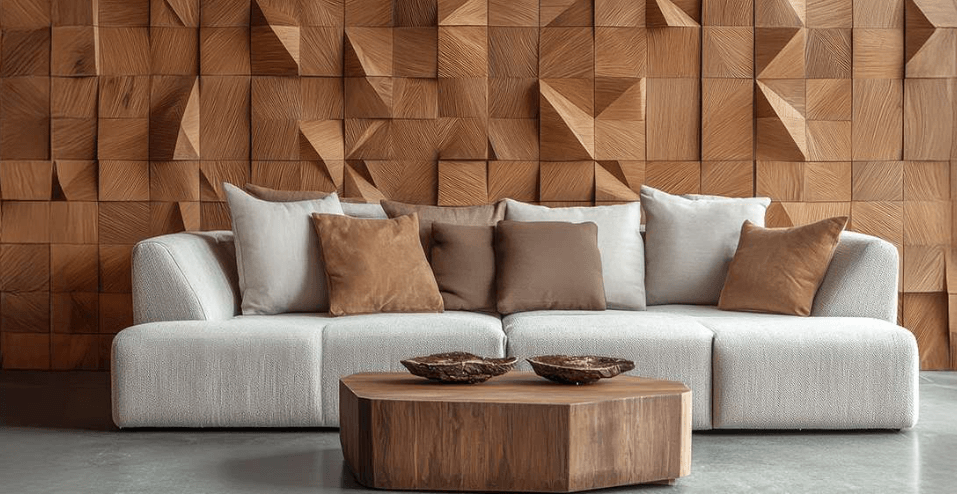
Vertical fluting cut into MDF panels creates a textural quality on wall surfaces that reads as refined and architectural. The regularity of the fluted profile catches light at different angles throughout the day, creating a dynamic wall surface that changes in appearance without any change in the material itself. This treatment has become one of the signature looks in contemporary hospitality and residential interiors, appearing in everything from boutique hotel lobbies to residential living rooms.
MDF is particularly well-suited to this application because the consistent density of the material produces clean, sharp router profiles without the grain tear-out that can complicate similar profiles in solid timber. The panels can be finished in paint, wrapped in veneer, or covered in fabric depending on the desired aesthetic.
2. Bespoke Retail Display and Shelving Systems
Retail environments require shelving and display systems that can be configured specifically for the products being displayed and the brand identity being communicated. Construction plywood handles structural loads well, but for retail display applications where the visual finish of the shelving surface is as important as its structural performance, MDF offers a paint-ready surface that photographs well and presents products cleanly.
Retail shelving built from MDF with a high-quality paint finish, edge profiles shaped to the brand’s visual language, and integrated lighting channels can be produced to a standard that reads as expensive without the material cost of solid timber or the complexity of stone or metal fabrication.
3. Acoustic Panel Systems for Commercial Interiors
Commercial interiors, particularly open-plan offices, restaurant dining rooms, and conference facilities, frequently have acoustic problems created by hard surfaces that reflect sound rather than absorbing it. MDF provides the substrate for acoustic panel systems that address reverberation while also creating a finished surface that integrates with the interior design.
Perforated MDF panels with acoustic backing material behind them combine the visual finish of a painted or veneered surface with meaningful acoustic absorption. The perforation pattern can be varied to create visual interest, and the panel format allows installation and reconfiguration more easily than fixed acoustic plaster systems.
See also: How to Choose a Custom Home Builder inPrescott, AZ
4. Custom Joinery with Integrated Technology
The contemporary workplace and residential environment includes an increasing amount of technology infrastructure, screens, speakers, charging stations, cable management, and control panels, that needs to be integrated into joinery in a way that is functional without being visually dominant. MDF’s workability makes it ideal for joinery that incorporates routed cable channels, precision-cut openings for screen and speaker grille integration, and the fine detail work required to conceal technology infrastructure behind flush surfaces.
5. Furniture and Feature Pieces
At the more design-intensive end of the application range, MDF is used by furniture makers and designers to create feature pieces that exploit the material’s capacity for complex shapes, smooth curves, and intricate detail. Curved cabinet doors produced using kerf-cut MDF, sculptural light fittings, and decorative screens with intricate cut-out patterns are all applications that demonstrate the design potential of the material beyond its workhouse utility.