ByJohn A
What a Chapel-Based Farewell Actually Involves
When someone dies, families are often faced with a choice they didn’t expect to think through so soon: whether to hold a gathering before cremation, or move straight to a private, administrative process. A chapel-based farewell sits between those two extremes. It offers a defined space and a short period of time to say goodbye together, without the scale or cost of a full traditional funeral. For many families, understanding what this actually involves, practically and emotionally, makes the decision far easier to reach.
Why Families Consider a Chapel Farewell
The appeal of a chapel service usually comes down to one thing: the chance to gather in person before cremation takes place. Not every family wants or needs a large funeral, but many still want a moment where people can be physically present together, rather than moving directly from loss to cremation with nothing in between.
A chapel setting provides that middle ground. It gives structure to a moment that might otherwise feel rushed or absent altogether, while still keeping the overall process simpler and shorter than a conventional funeral service. For families who value ritual and presence but don’t need an elaborate event, this option tends to feel like the right fit almost immediately once they understand what it offers.
What Actually Happens During a Chapel Service
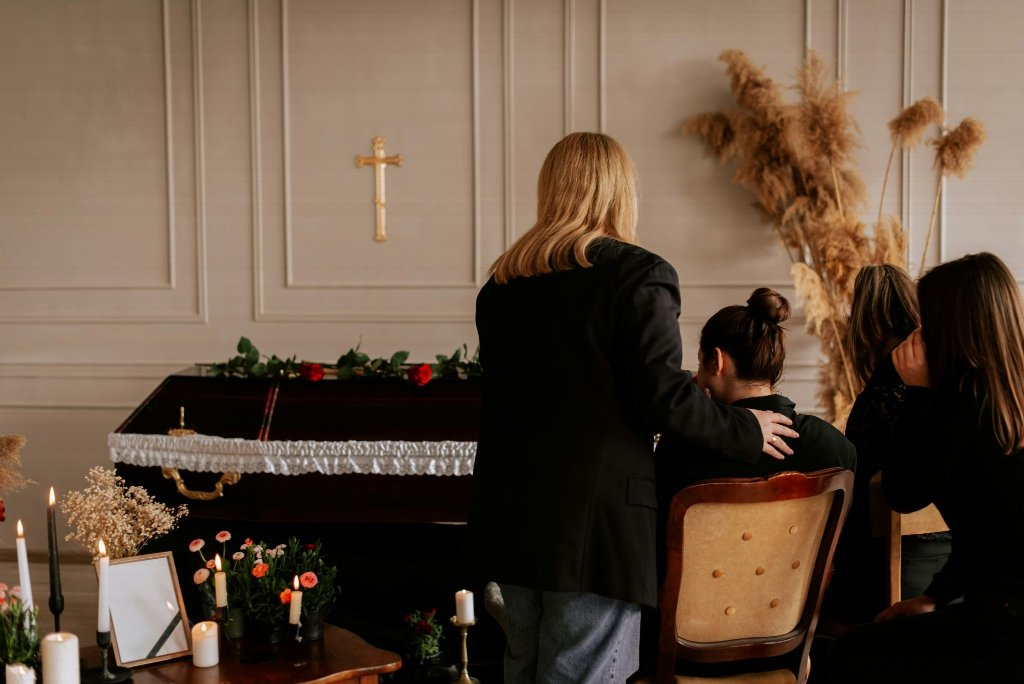
A typical chapel farewell follows a fairly consistent shape, even though the details can be adjusted. Family and friends gather at the chapel at an agreed time, usually for a service lasting somewhere between twenty minutes and an hour, depending on what’s arranged. This might include a short address, readings chosen by the family, a piece of music, or simply a quiet period of reflection before the service concludes.
Once the service ends, the person who has died is taken from the chapel for cremation, which usually occurs afterward rather than during the gathering itself. Providers offering chapel cremation packages typically structure this transition so that the family’s time in the chapel feels unhurried, while the administrative and practical steps that follow are handled separately and with care. Knowing that this separation exists can ease a lot of the uncertainty families feel about what’s actually taking place behind the scenes.
How Much Flexibility Families Actually Have
One of the more reassuring aspects of a chapel farewell is how adaptable it tends to be. Families don’t need to follow a fixed religious format if that doesn’t reflect the person who has died or the people gathering. Many chapels accommodate religious, secular, or blended services depending on what feels appropriate, and the content of the service, from readings to music choices, is generally left to the family’s discretion rather than a set script.
Timing and scale can usually flex too. Some families want a small, intimate gathering with only close relatives present, while others prefer a slightly larger service that includes extended family and friends. Chapel capacity and available time slots will shape what’s realistic, but within those boundaries, there’s usually more room to personalise the service than people initially expect.
Questions Worth Asking Before Booking
Because chapel services vary between providers, a few questions early on can prevent confusion later. It’s worth asking how many people the chapel can comfortably hold, and whether that number affects pricing or availability. Asking how much time is allocated for the service, and whether that includes setup and gathering time beforehand, gives a clearer sense of pacing on the day itself.
It’s also worth clarifying exactly what’s included as standard, such as use of the chapel space, basic audio equipment for music or readings, and coordination with cremation afterward, versus what would need to be arranged or paid for separately, like additional printed materials, live streaming for family who can’t attend in person, or extended chapel time. A provider who can answer these questions clearly and without hesitation is generally one that will make the rest of the process easier to navigate.
See also: The Invisible Blueprint: Mastering Premium Property Diagnostics with Homecheck
Deciding Whether a Chapel Farewell Is Right for Your Family
A chapel-based farewell tends to suit families who want a meaningful moment of gathering without the scale, cost, or planning demands of a larger funeral. If what matters most is having people together in one place, even briefly, before cremation takes place, this option generally delivers exactly that.
It may be less suited to families who are set on a specific religious tradition with requirements a general chapel space can’t accommodate, or those who want a much larger public service with extended visitation. In those cases, discussing alternatives with a provider early on can help identify a better match before decisions feel locked in. There’s no single right choice here. What matters is understanding the shape of the option in front of you before deciding whether it fits what your family actually needs.
If you’re finding these decisions difficult to sit with, reaching out to a grief support service or counsellor, alongside family and friends, can offer real support during this time. You’re not expected to have everything figured out at once, and there’s no rush to decide faster than feels right for you.